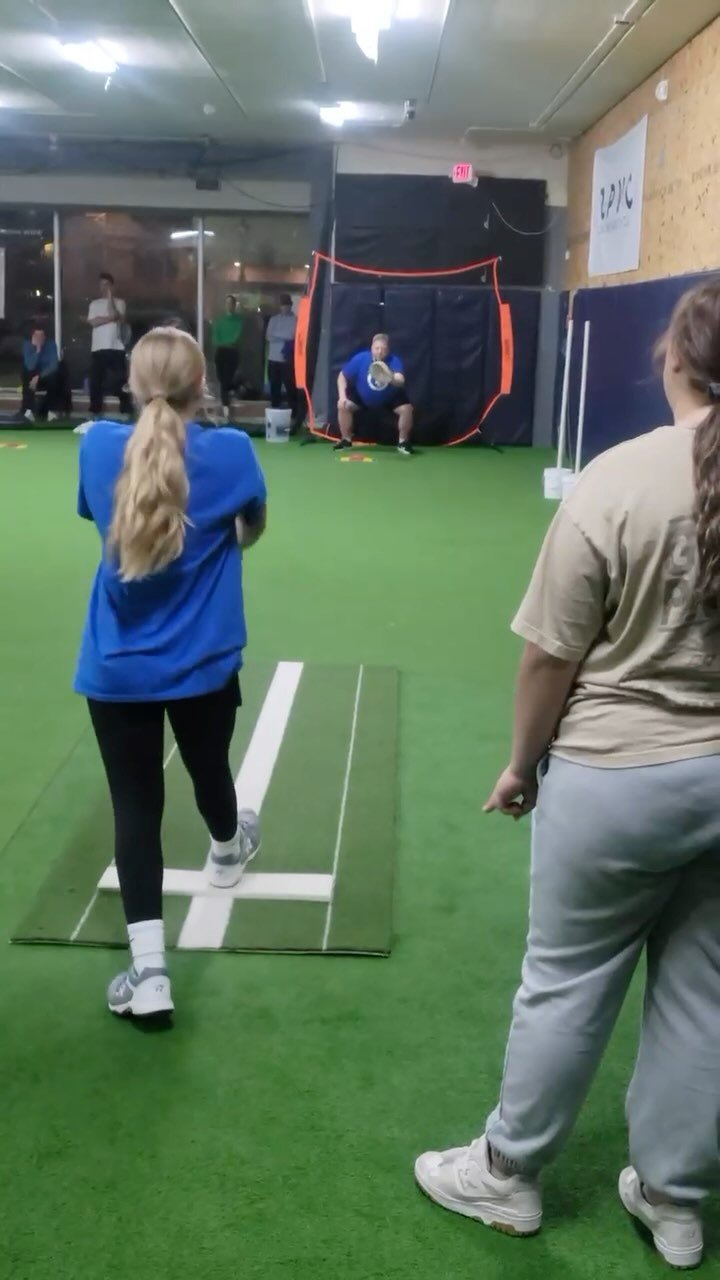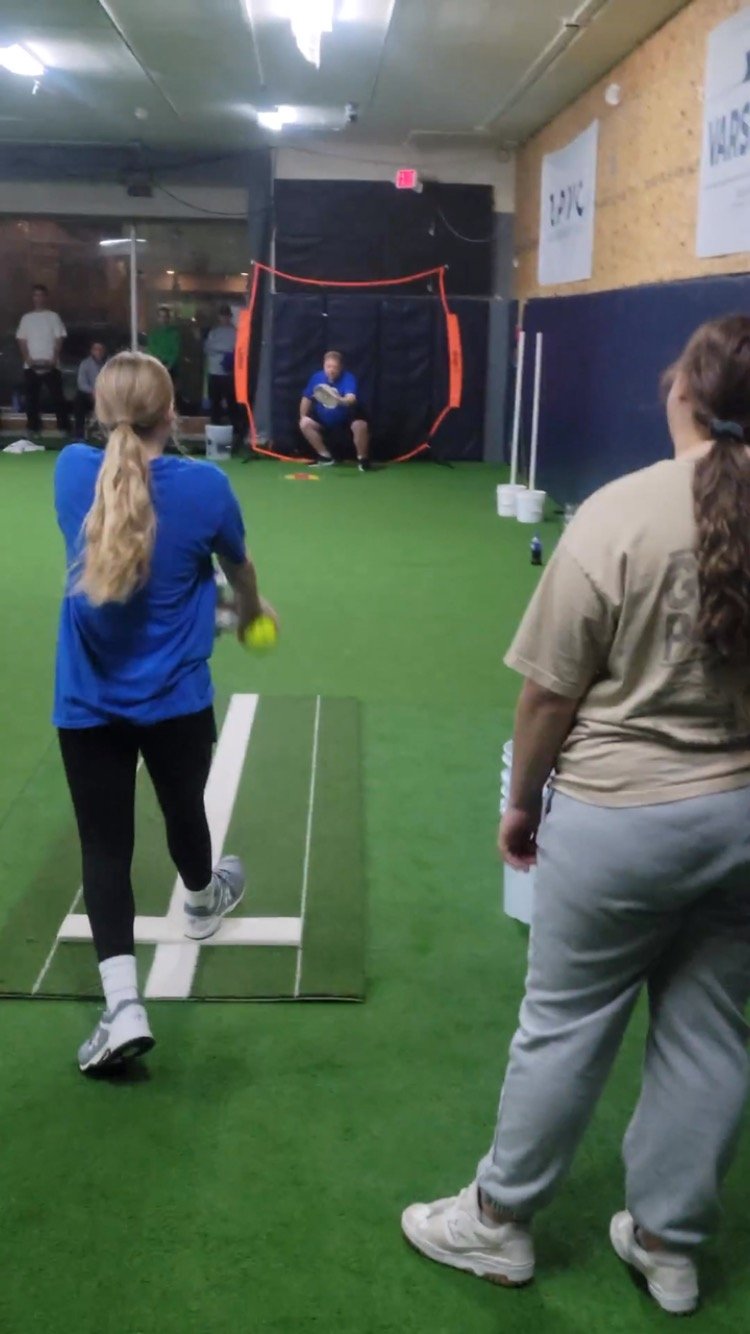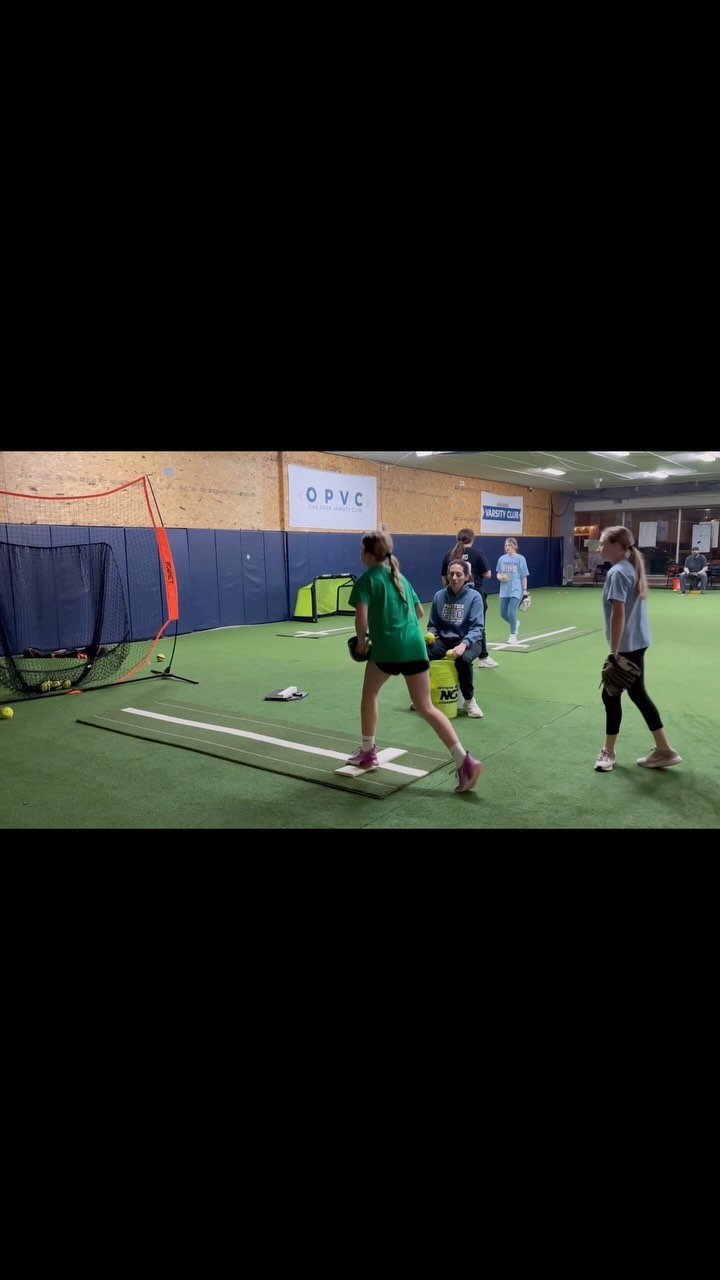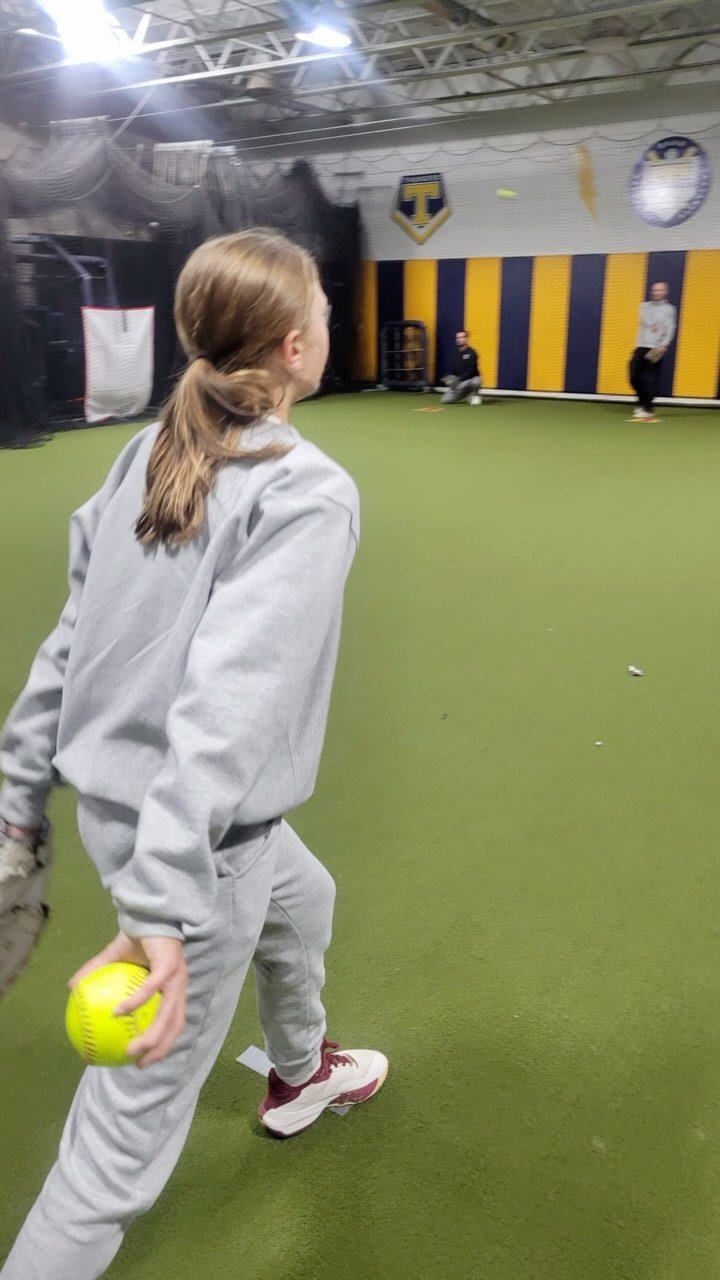
Inseason Pitching & Hitting School Starts in April
Registration March 6th-15th
Early Registration $30 Off!
Our Big, Hairy, Audacious Goal!
How the Sessions are Different
Registration March 6th-15th
Early Registration $30 Off!
Our Big, Hairy, Audacious Goal!
How the Sessions are Different
There are two very powerful schools of thought for how pitchers ought to attack the strike zone to be successful.
Attack the strike zone directly
Paint corners and live in the rivers
How can both be correct when they are in direct contradiction to one another? Which option ought pitchers pay heed?
To get to the bottom of this question, since I work with all of you at lessons instead of games, I went back to all of my notes from previous pitching conventions where I was able to listen to philosophies on pitch calling from the elite coaches in our game: Lonnie Alameda (Florida State), Larissa Anderson (Missouri), Beth Torina (LSU), Missy Lombardi (Oregon), Karen Weekly (Tennessee), and Stephanie VanBracklr (Alabama) just to name a few.
To me, the intermediate stage is defined by one specific transition: moving from knowing what to do to being able to do it consistently without thinking. Beginners are learning the language of pitching. Advanced pitchers don’t have to think about that language at all anymore. Intermediate pitchers are in the middle, translating what they know into what they can repeat.
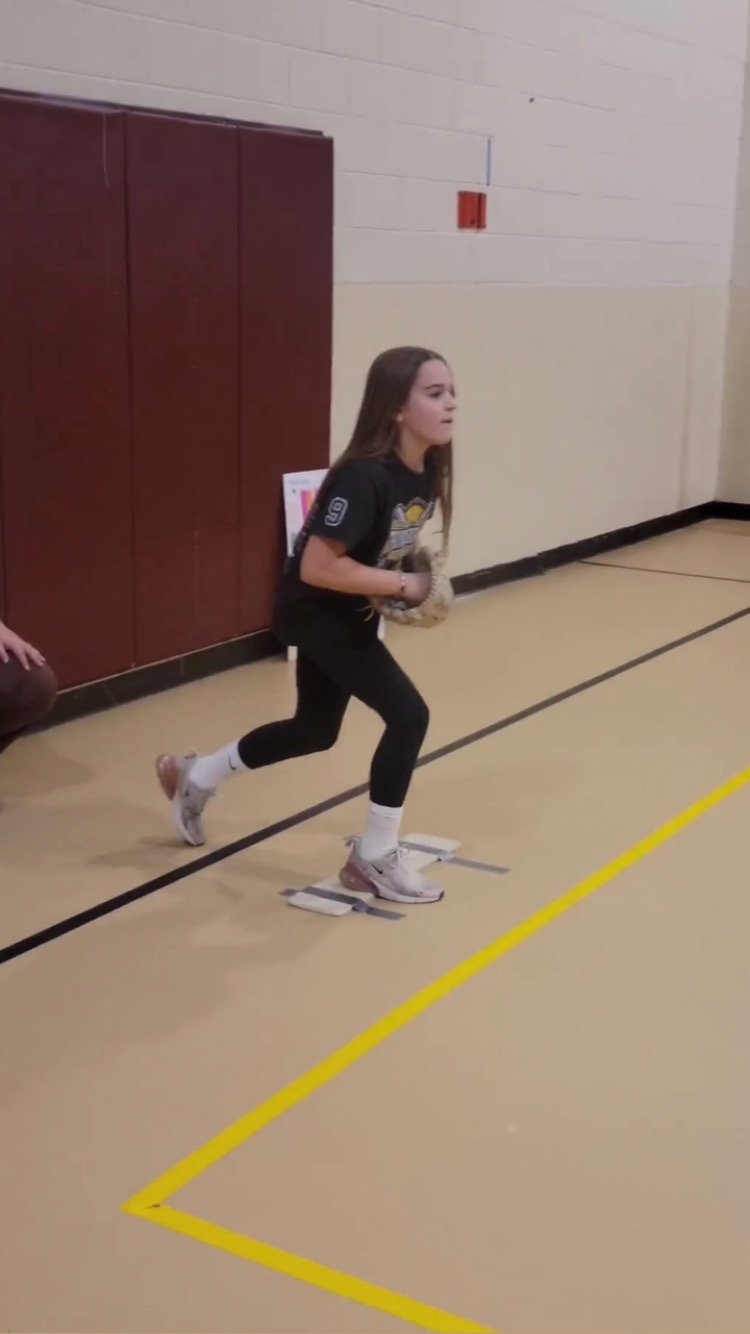
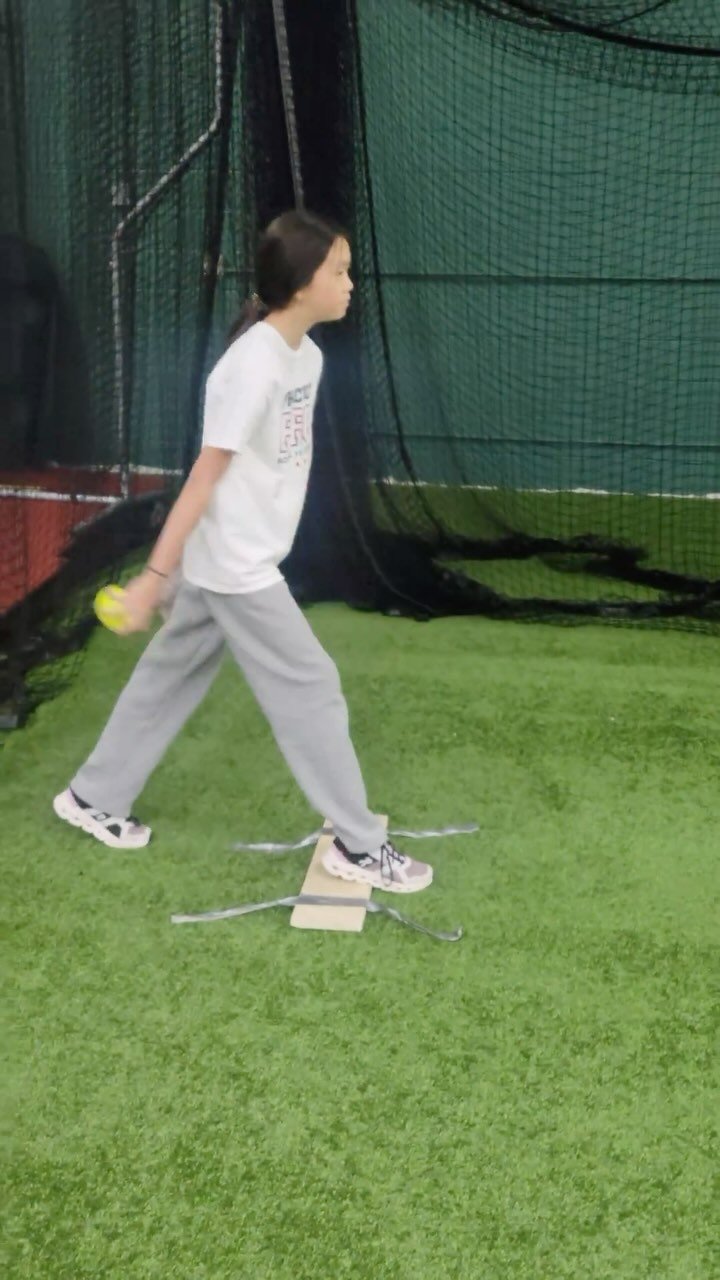
At this stage, a pitcher might know how to get into reverse posture, but she can’t do it every pitch. She might leap off the mound sometimes but still step when she’s tired, distracted, or feeling pressure. Resistance shows up on one pitch and disappears on the next. Mechanics still require conscious effort, and pitchers often mentally check in with every part of their delivery instead of letting the sequence flow naturally. The goal here isn’t perfection—it’s consistency.
Powered by Squarespace
This week at pitching school we taught a mental game that just clicked.
It was built around an analogy. This week, every player drew four large bricks on a piece of paper. Inside each brick they wrote down a pitching mistake they had made. Some wrote “walked a batter.” Others wrote “hit a girl.” Some wrote “threw to the wrong base.” Once the bricks were filled in, we went around the room and asked a simple question: what did you learn from that mistake?
The lesson was this: mistakes are like bricks. If you carry them around, they are heavy. They weigh you down. They are useless. But if you learn from them, you can use them to build something great— a foundation, a wall, even a house. The same brick that drags you down can also build you up.